

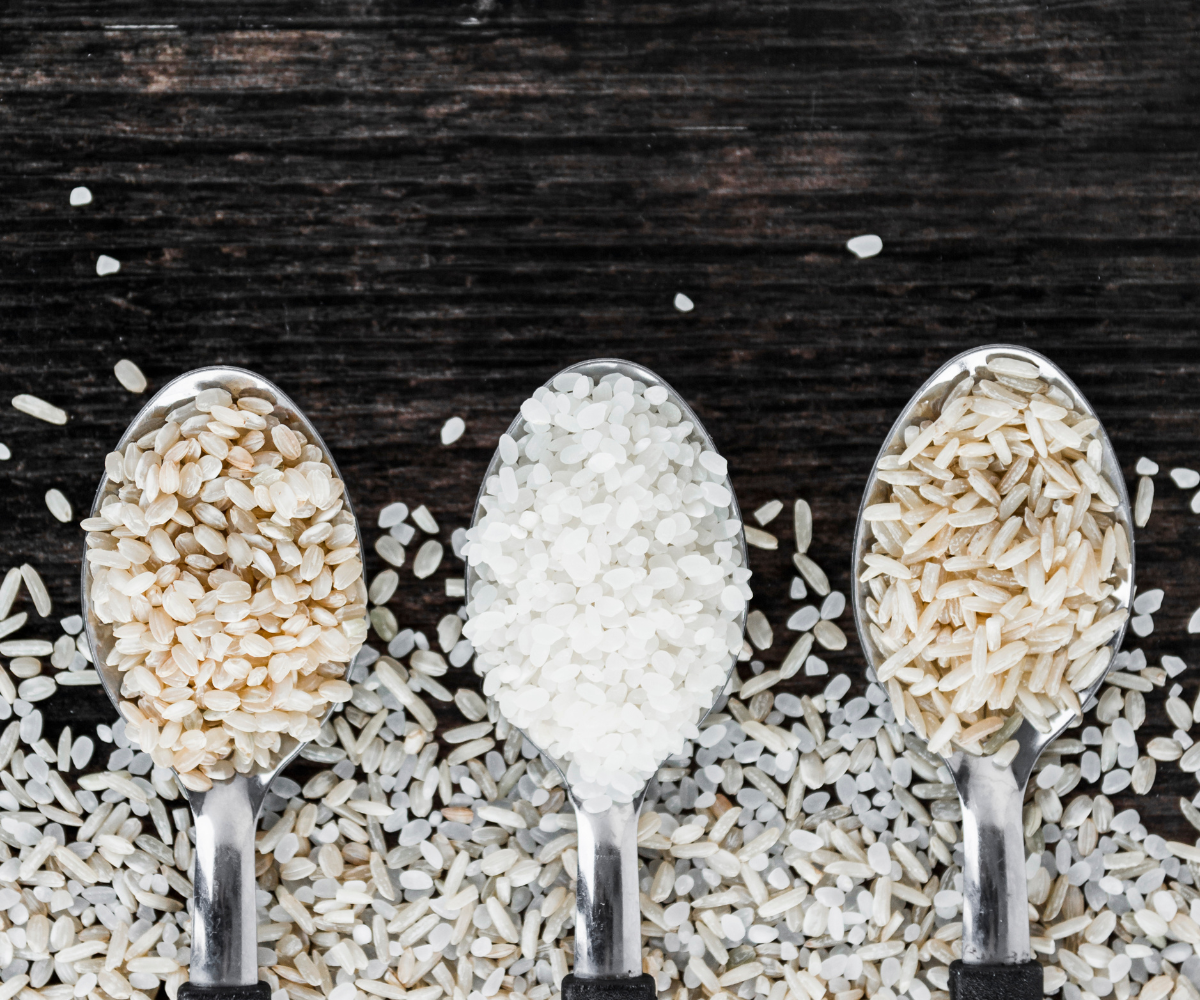
To feed a rapidly growing global population, modern agriculture relies heavily on efficient, high-yield fertilizers. At the center of this agricultural revolution is Urea, the most widely used solid nitrogen fertilizer in the world. Boasting a high nitrogen content (typically 46%), urea is essential for promoting lush, vigorous plant growth. However, urea is generally available in two distinct physical forms: Granular and Prilled. Understanding the differences between these two is critical for farmers, distributors, and agricultural planners. At Pyxus General Trading LLC, we supply bulk quantities of both, tailored to our clients’ specific application needs.
What is Prilled Urea?
Prilled urea is formed by dropping liquid urea from a specialized prilling tower. As the droplets fall through the air, they cool and solidify into small, smooth, spherical particles (usually 1mm to 2.5mm in diameter).
-
The Advantages: Because of its smaller particle size, prilled urea dissolves incredibly fast in water. This makes it an excellent choice for liquid fertilizer applications, foliar sprays, or in environments where rapid nitrogen release into the soil is required.
-
The Drawbacks: The smaller size makes prilled urea more susceptible to wind drift during mechanical spreading. Furthermore, it has lower crush strength, meaning it can break down into dust during heavy transport or bulk blending, reducing its efficiency.
What is Granular Urea?
Granular urea is produced using a more complex process called granulation. Molten urea is continuously built up in layers (often using a binding agent) until it forms larger, harder particles (typically 2mm to 4.6mm in diameter).
-
The Advantages: Granular urea is significantly harder and heavier than prilled urea. This higher crush strength means it does not easily turn into dust during shipping, handling, or blending with other fertilizers (like phosphate or potash). Furthermore, its heavier weight allows for wider, more accurate spreading across large fields using mechanized broadcast spreaders, as it resists wind drift.
-
The Drawbacks: It dissolves slightly slower than prilled urea, which may not be ideal for operations requiring immediate liquid dissolution.
Head-to-Head Comparison: Which Should You Choose?
-
Application Method: If your agricultural operation utilizes mechanical broadcast spreaders over large acreage, Granular Urea is the superior choice due to its weight, spreadability, and wind resistance. If you are dissolving the fertilizer into irrigation systems (fertigation), Prilled Urea is better due to its rapid solubility.
-
Transportation and Storage: For long-distance international shipping and bulk storage, Granular Urea is preferred. Its structural integrity prevents it from caking and crushing under heavy weight, ensuring the end-user receives a pristine product.
-
Blending: If you are creating custom NPK (Nitrogen, Phosphorus, Potassium) fertilizer blends, granular urea matches the particle size of other granular fertilizers perfectly, preventing product segregation during transport.
Bulk Urea Supply from Pyxus General Trading LLC
Choosing the right fertilizer is only half the battle; sourcing it reliably is the other. As a leading fertilizer supplier in the UAE, Pyxus General Trading LLC offers bulk solutions for both granular and prilled urea. We understand the seasonal demands of the agricultural sector and utilize our robust logistics network to ensure your agricultural supplies arrive on time and in perfect condition.
Both granular and prilled urea play indispensable roles in modern agriculture. By assessing your specific application methods, blending requirements, and logistical needs, you can select the optimal form of nitrogen for your crops.
Ready to secure bulk agricultural supplies for the upcoming season? Contact the Pyxus sales team for competitive pricing on premium granular and prilled urea.